Every year someone publishes a "best cities for digital nomads" list and ranks Bali #1. This is not that list.
The cities below were chosen based on what actually matters to people working remotely in 2026: reliable internet, a real nomad community (not just infrastructure), cost-to-quality ratio, visa access, and - increasingly - whether the city has a local support system that doesn't require you to figure everything out from scratch.
A city can have great WiFi and be completely lonely. A city can be cheap and have poor connectivity. The best ones get both right. Here's where the community is actually alive this year.
Chiang Mai, Thailand - Still the Anchor
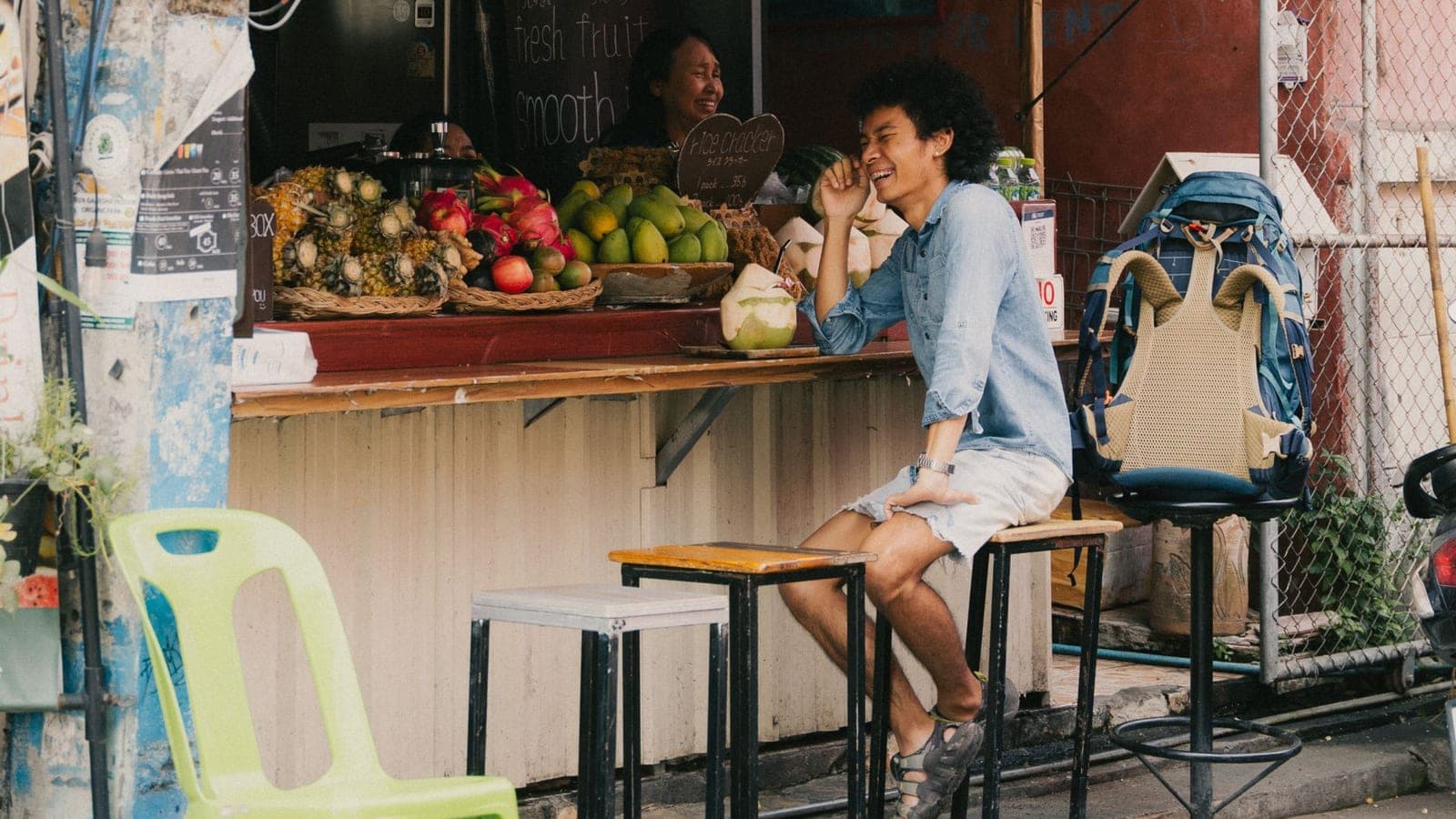
Chiang Mai is the city that built the template. A decade of nomad infrastructure means you can find a co-founder or a hiking buddy within 48 hours of landing. The Old City has a density of coworking spaces, cafes, and nomad events that no other city at this price point can match.
Why it works in 2026: Chiang Mai has aged well. Other cities have risen but Chiang Mai remains the default for Southeast Asia-based nomads because the community is self-sustaining. There are WhatsApp groups, Slack channels, weekly meetups, and a Muay Thai gym where half the members work remotely.
Cost of living: $800–$1,400/month for a comfortable setup. Long-term accommodation in Nimman is well-priced and often includes gym access and pools.
Internet: Excellent. Most cafes have 100+ Mbps. True Digital Park, CAMP, and Punspace are reliable coworking staples.
Visa situation: Thailand's Long-Term Resident (LTR) visa and the Digital Nomad Visa (Destination Thailand Visa, DTV) launched in 2024 gives most nomads a legitimate long-stay option now.
Best for: First-time nomads getting their bearings, people who want max social density at low cost.
Bali, Indonesia - Canggu Specifically
Bali is not one place. Ubud is quiet and spiritual. Seminyak is expensive and touristy. Canggu - specifically the stretch between Berawa and Echo Beach - is where the nomad community actually lives.
In 2026, Canggu has matured from "chaotic surf town with WiFi" to a functioning nomad city. There are proper coworking spaces (Dojo, Outpost), regular professional networking events, a strong dating scene, and the kind of social density where you run into people you know just walking to the coffee shop.
Why it works in 2026: The Indonesian Digital Nomad Visa launched and has been relatively smooth to obtain. This removed the awkward tourist-visa dance and brought a more stable, longer-term community.
Cost of living: $1,200–$2,000/month. Higher than Chiang Mai but the quality of life - surf, food, weather, social scene - justifies it for most.
Internet: Inconsistent but improving. Good coworking spaces are reliable. Expect issues at cheaper villas during peak hours.
Visa situation: Digital Nomad Visa (E33G) - remote work visa for $200 USD, valid 60 days, extendable once.
Best for: Creative professionals, surfers, people who want strong social life alongside work.
Lisbon, Portugal - Europe's Best Value
Lisbon punches above its weight. It's a European capital with Mediterranean weather, a genuine nomad community, and prices that are high by Southeast Asia standards but low by Western Europe ones. The cost-of-living has risen since 2020 but it's still the best value for nomads who need to stay in European time zones.
The Beato Creative Hub in eastern Lisbon has become a serious tech and startup cluster. The NHR tax regime (Non-Habitual Resident) - while modified in 2024 - still offers meaningful tax advantages for freelancers establishing Portuguese residency.
Why it works in 2026: Lisbon has a self-reinforcing nomad ecosystem. The city has invested in attracting remote workers, there are nomad-specific apartments, coworking spaces have proliferated, and the social scene around Cais do Sodré and LX Factory draws a genuinely interesting mix of expats and locals.
Cost of living: $2,000–$3,500/month. Significant jump from Southeast Asia but includes access to Schengen travel.
Internet: Very good. Most Lisbon apartments and all coworking spaces have fiber.
Visa situation: The D8 Digital Nomad Visa is the cleanest remote work visa in Europe. Requires proof of income (€3,040+/month) and is renewable.
Best for: European nomads, people wanting Schengen access, those transitioning from full travel to longer-term basing.
Medellín, Colombia - Latin America's Best-Kept Secret
Medellín has gone from famous for all the wrong reasons to being arguably the most liveable city in Latin America for remote workers. The climate (it's called the City of Eternal Spring for a reason), the cost of living, the food scene, and the growing nomad community in El Poblado and Laureles make it stand out.
The local community is notably warm. Colombians are genuinely friendly in a way that makes social integration easier than in many European cities. Spanish is useful here - it's not an English-dominant nomad bubble like parts of Bali.
Why it works in 2026: Medellín has invested heavily in infrastructure. Fiber internet is widely available. The metro system is excellent. And the nomad community has grown to a size where there are enough people to sustain a proper social ecosystem without being so large it becomes anonymous.
Cost of living: $1,000–$1,800/month. Excellent value for the quality of life.
Internet: Very good in El Poblado and Laureles. Most cafes and coworking spaces have fiber.
Visa situation: Colombia offers a Digital Nomad Visa (V Migrante Nómada Digital) - 2 years, renewable. Income requirement around $2,700/month.
Best for: Spanish speakers or people wanting to learn, creatives, people who want Latin American culture without the tourist-trap version.
Bangkok, Thailand - For When You Need Scale
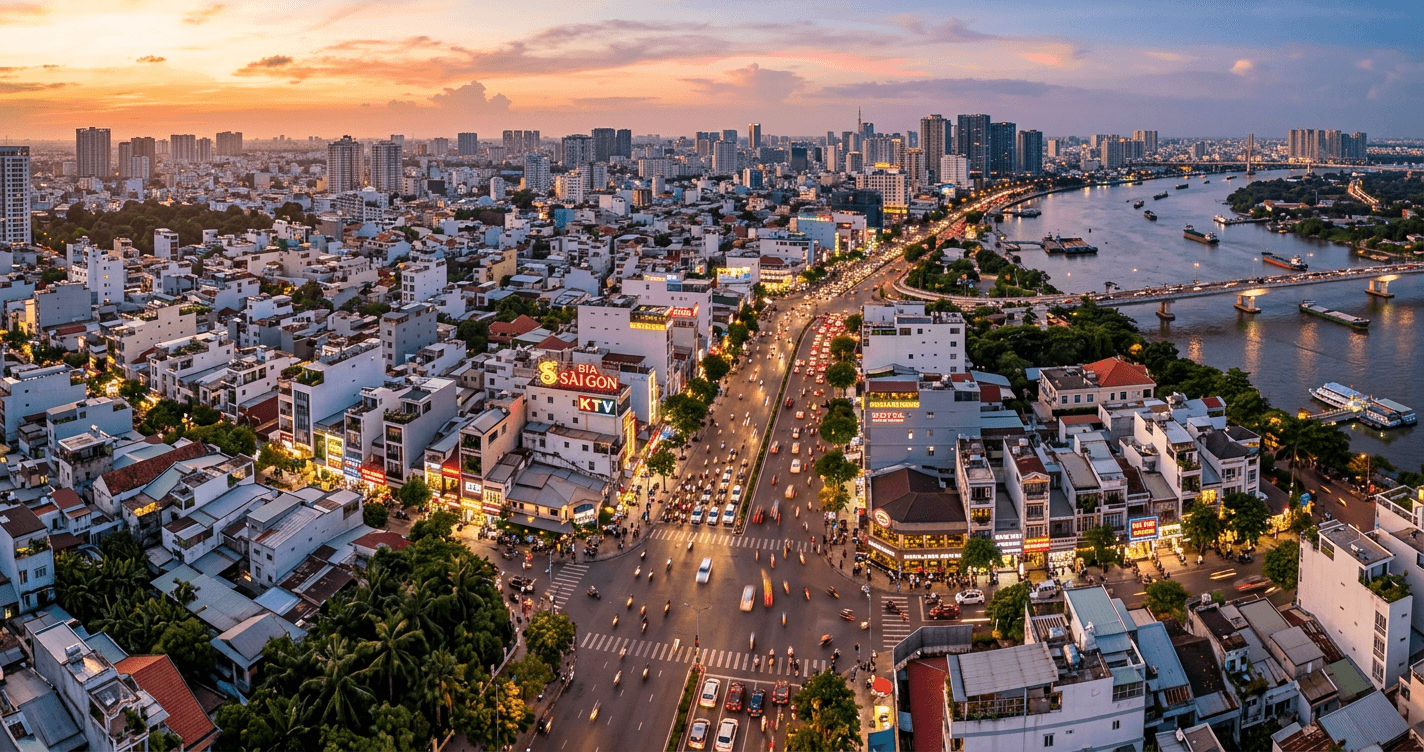
Bangkok is a different kind of nomad city. It's massive, overwhelming, and not particularly "nomad-friendly" in the curated, Instagram-friendly way of Chiang Mai or Bali. What it has is scale.
The co-working infrastructure is excellent - True Digital Park is one of the largest tech hubs in Southeast Asia. The food is extraordinary and cheap. The nightlife is unmatched. The transport network (BTS + MRT) means getting around is actually easy despite the size.
For nomads who get bored of smaller cities, Bangkok is the antidote. There are more events, more networking opportunities, more industries represented, and more going on at all hours.
Why it works in 2026: Thailand's visa situation has improved significantly. Bangkok benefits from Chiang Mai's halo - many nomads rotate between the two.
Cost of living: $1,200–$2,200/month. More expensive than Chiang Mai but still excellent value.
Internet: Excellent. AIS and DTAC 5G coverage is pervasive.
Best for: Nomads who want big-city energy, strong professional networking, nightlife.
Tbilisi, Georgia - The Underrated One
If you don't know about Tbilisi yet, you will soon. Georgia introduced a 183-day visa-free stay for most nationalities, meaning you can simply arrive and live there for six months with no bureaucracy. The country also has a flat 1% income tax for individual entrepreneurs, making it exceptionally attractive for freelancers.
The nomad community in Tbilisi has exploded since 2022, when it became a haven for Ukrainian and Russian remote workers. What's emerged is an unusually interesting, diverse, intellectually active community. The old town is gorgeous, wine is excellent and cheap, and the Caucasus mountains are an hour away for weekend trips.
Cost of living: $700–$1,300/month. One of the best value-for-money propositions in the world right now.
Internet: Surprisingly good. Fiber is widely available and affordable.
Visa situation: 365-day visa-free for most Western passport holders. No income requirement.
Best for: Budget-conscious nomads, people seeking an off-the-beaten-path community, Eastern Europe/Central Asia explorers.
What to Actually Prioritize
Lists like this are useful but imperfect - the right city depends on your specific situation. Some questions worth asking:
Time zone requirements: If you have clients in New York, Tbilisi is genuinely painful (8-hour difference). Southeast Asia is worse. Europe and Latin America work much better.
Community density: If you're newly nomadic and want social depth fast, Chiang Mai and Canggu have the highest density of experienced nomads. Lisbon is excellent for professionals. Tbilisi is excellent if you're comfortable forging your own path.
Length of stay: Shorter visits (1–3 months) benefit from high-density, well-organized nomad scenes. Longer stays let you integrate more deeply, so cities with strong local social scenes (Medellín, Lisbon) become more valuable.
Visa stability: Visa situations change. What worked last year might not work this year. Always verify current visa rules before committing.
The nomad city landscape in 2026 is richer than it's ever been. The cities above are the ones where the infrastructure, community, and quality of life all come together right now - but the best city for you is ultimately the one you'll actually leave your apartment in.